Ordering and account records
A catalog of 700+ products, customer-specific prices, invoices and account statements kept in sync, plus ordering and delivery automation.
ESGO PROVEEDORES / CASE STUDY
From customer-specific pricing and synchronized account records to ordering, delivery automation, promotion and lead generation: a platform I built and continue to run, using AI as an engineering tool.

ERP transactions rebuilt
Completed data work · Nov 2023 to Aug 2026Prospects ranked
Generated opportunities, not acquired customersCustomers given portal access
Pilot availability, not verified usage60 customers given portal access (pilot)
52 with reorderable history.
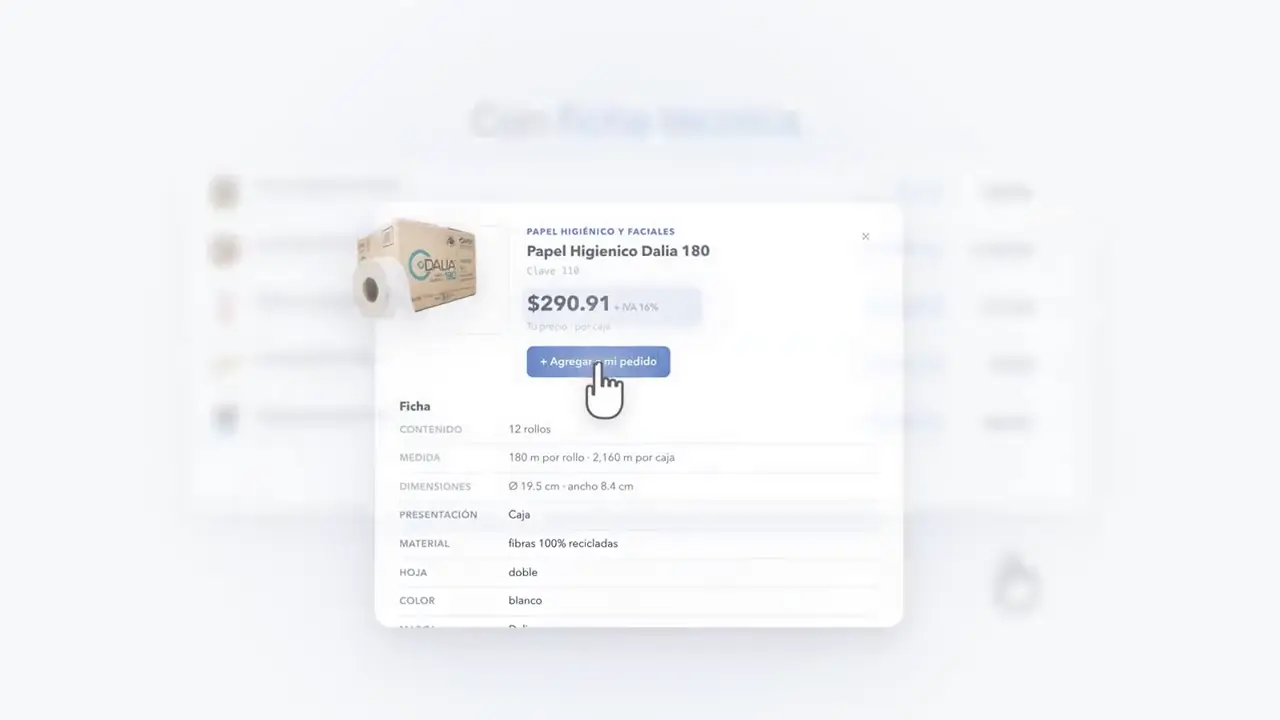
Real portal interface. Fictional demo-account data.
Spanish narration. English and Spanish subtitles.
END-TO-END OWNERSHIP
I defined what the platform needed to do, built it with Codex and Claude Code, and took it through production testing, promotion and ongoing improvements. AI helped me turn engineering requirements and creative ideas into a working product; the business decisions and responsibility for the result remained mine.
A catalog of 700+ products, customer-specific prices, invoices and account statements kept in sync, plus ordering and delivery automation.
I created the landing page and the 30-second portal promo film, connecting product development with the way customers first encounter it.
I run the ads and built the lead capture, prospect prioritization and measurement tools that support follow-up.
THE BUSINESS QUESTION
Orders arrived through WhatsApp and phone calls, then someone entered them manually into the ERP. I rebuilt the transaction ledger so customer history, profitability analysis and opportunity prioritization could use a more reliable foundation.
This data work fed the portal and prospecting system. Profitability findings were identified and remained under review with the owner; they are not presented here as realized savings or revenue.
HOW THE PIECES CONNECT
Transactions and invoice history, checked for duplicates and completeness.
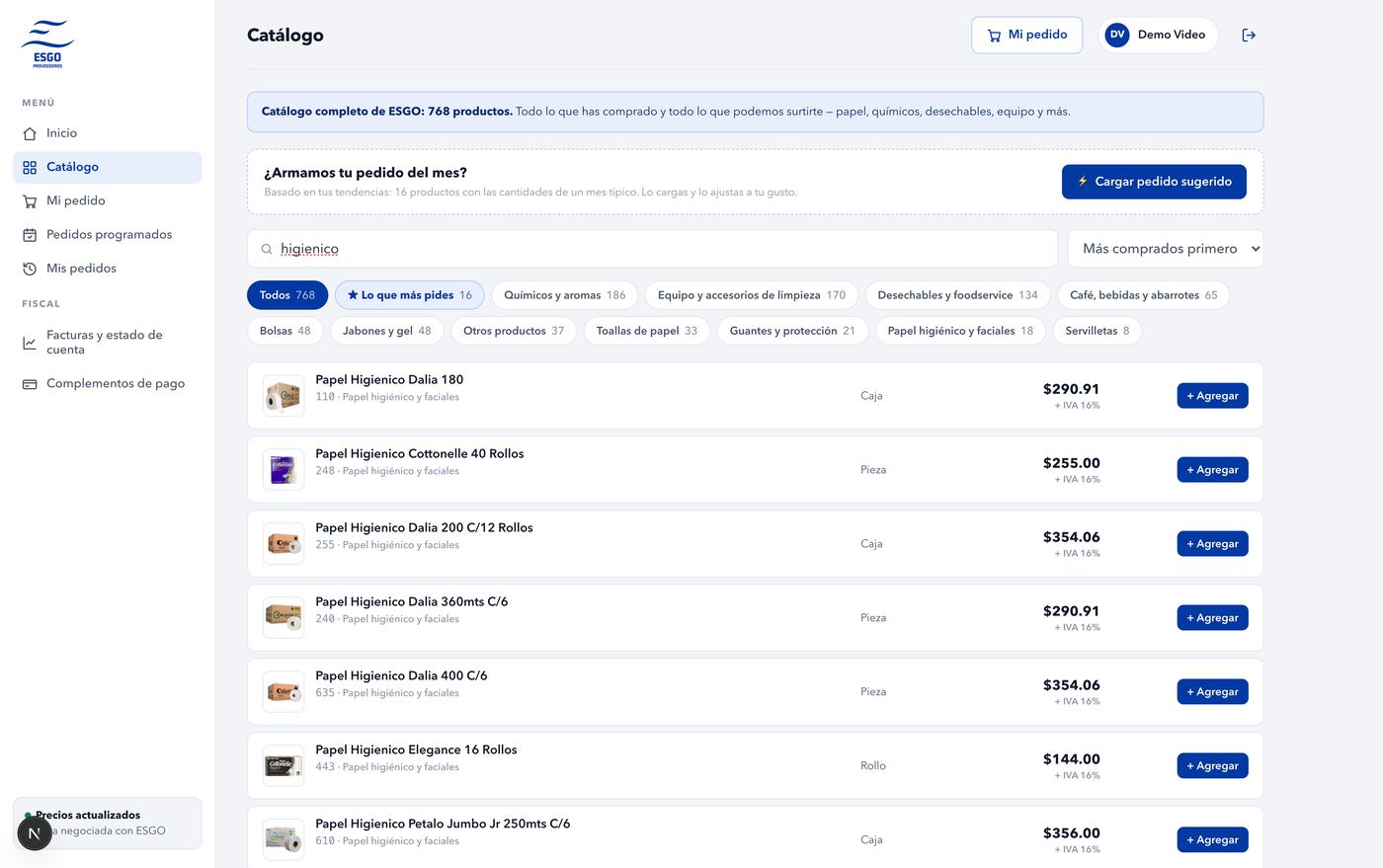
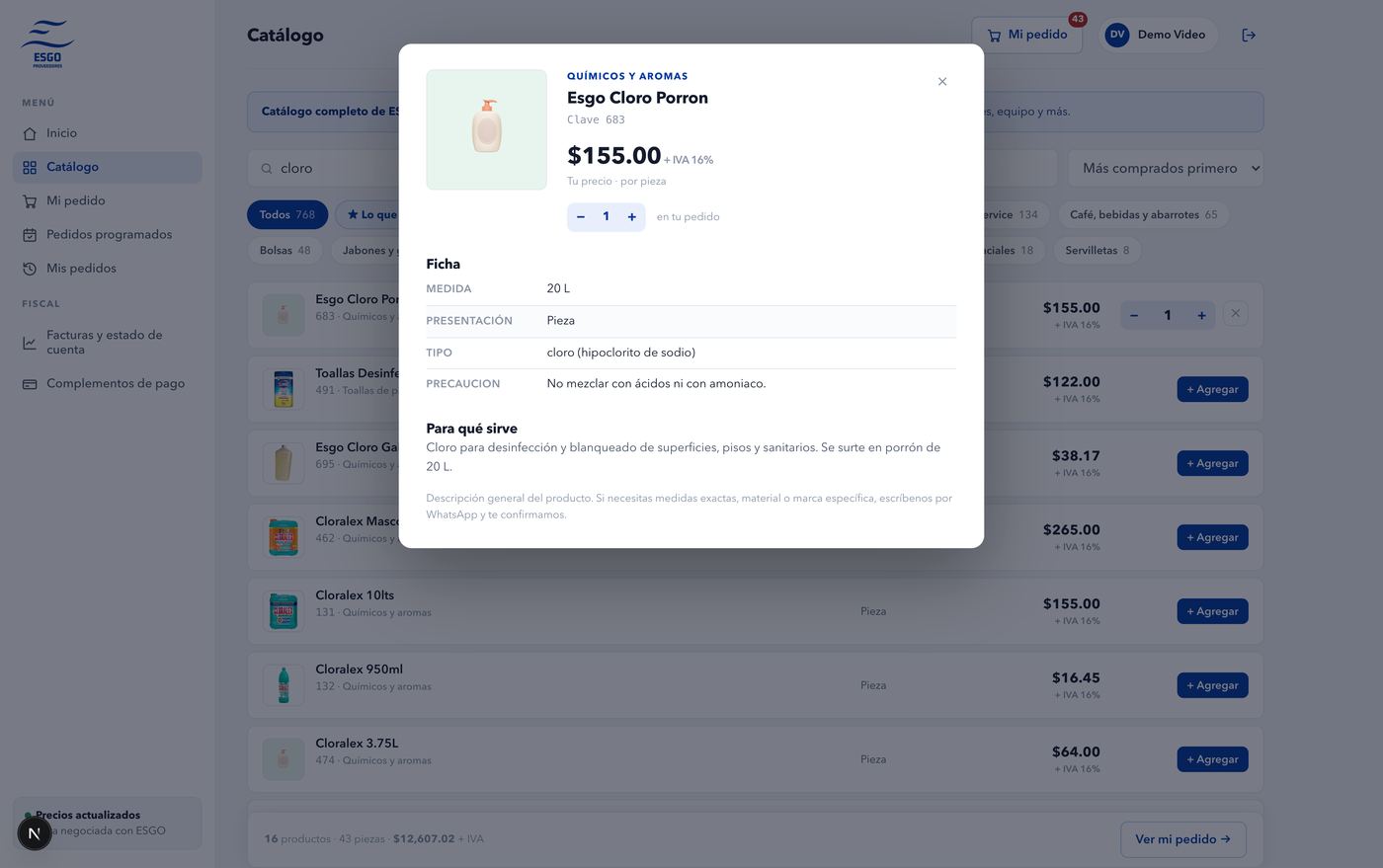
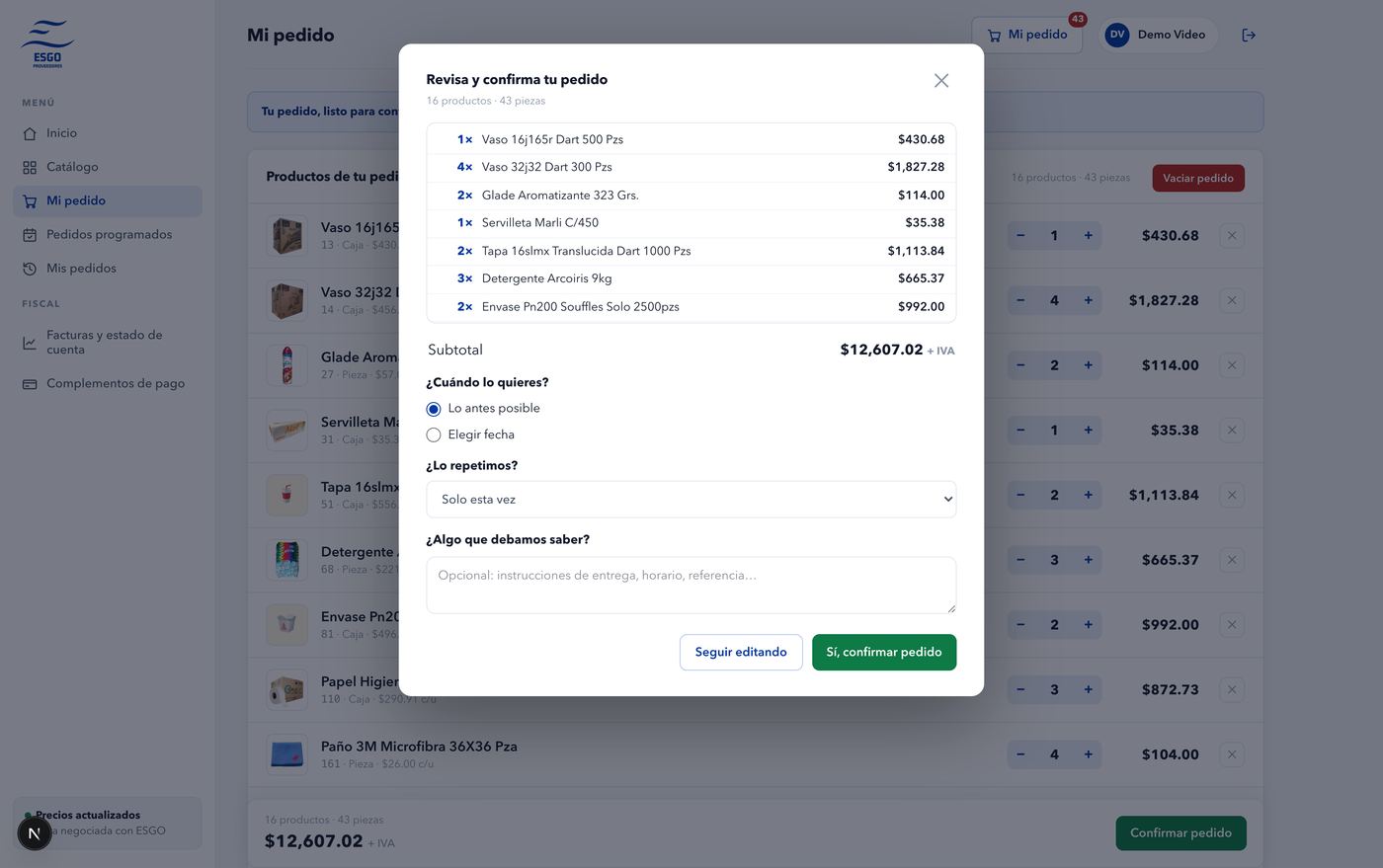
History, negotiated prices, reordering and account documents in one portal.
Ranked prospects and acquisition tracking, with usage and impact still to measure.
WHAT I BUILT
I extracted ERP transactions, removed duplicates, and checked completeness for profitability analysis.
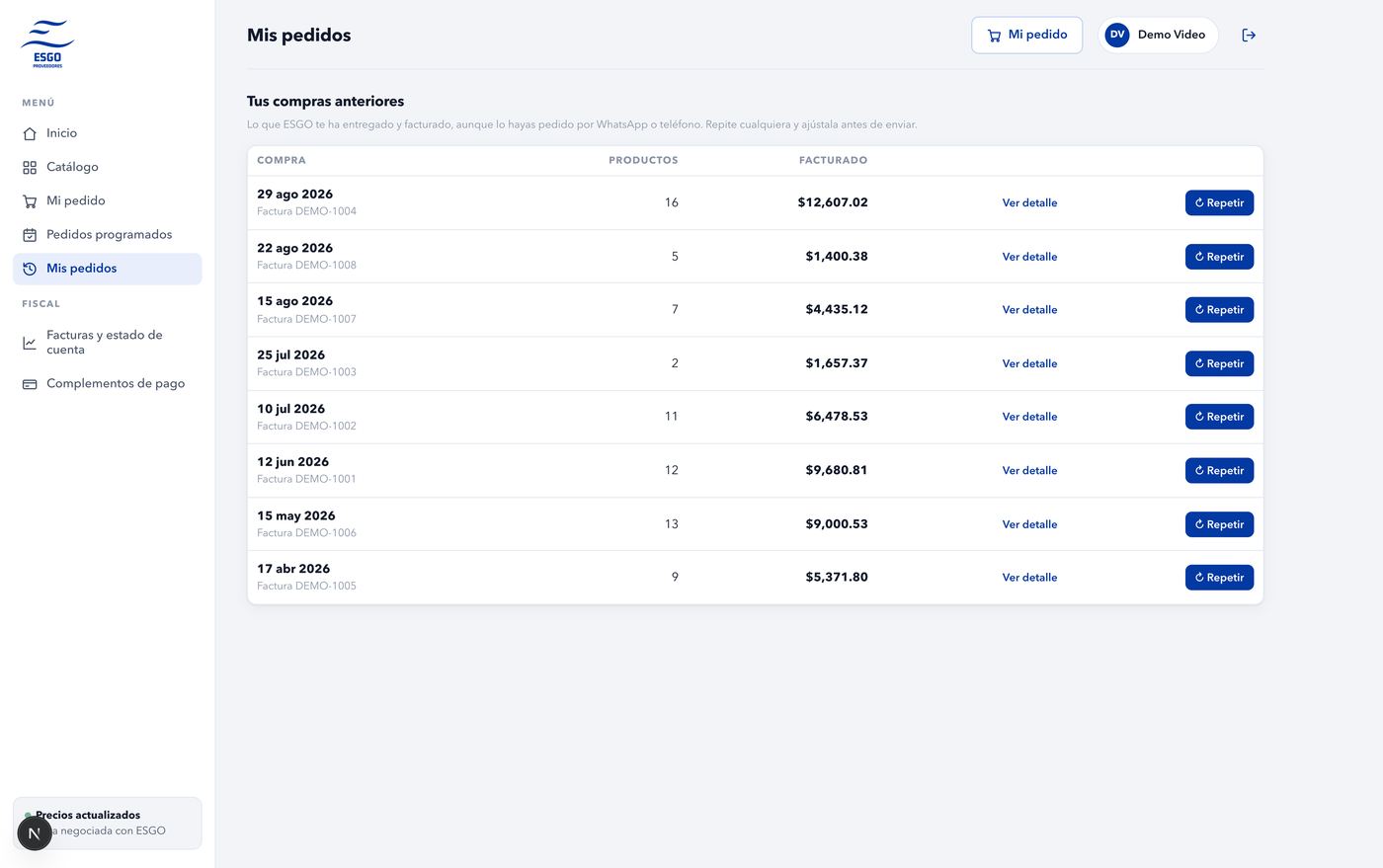
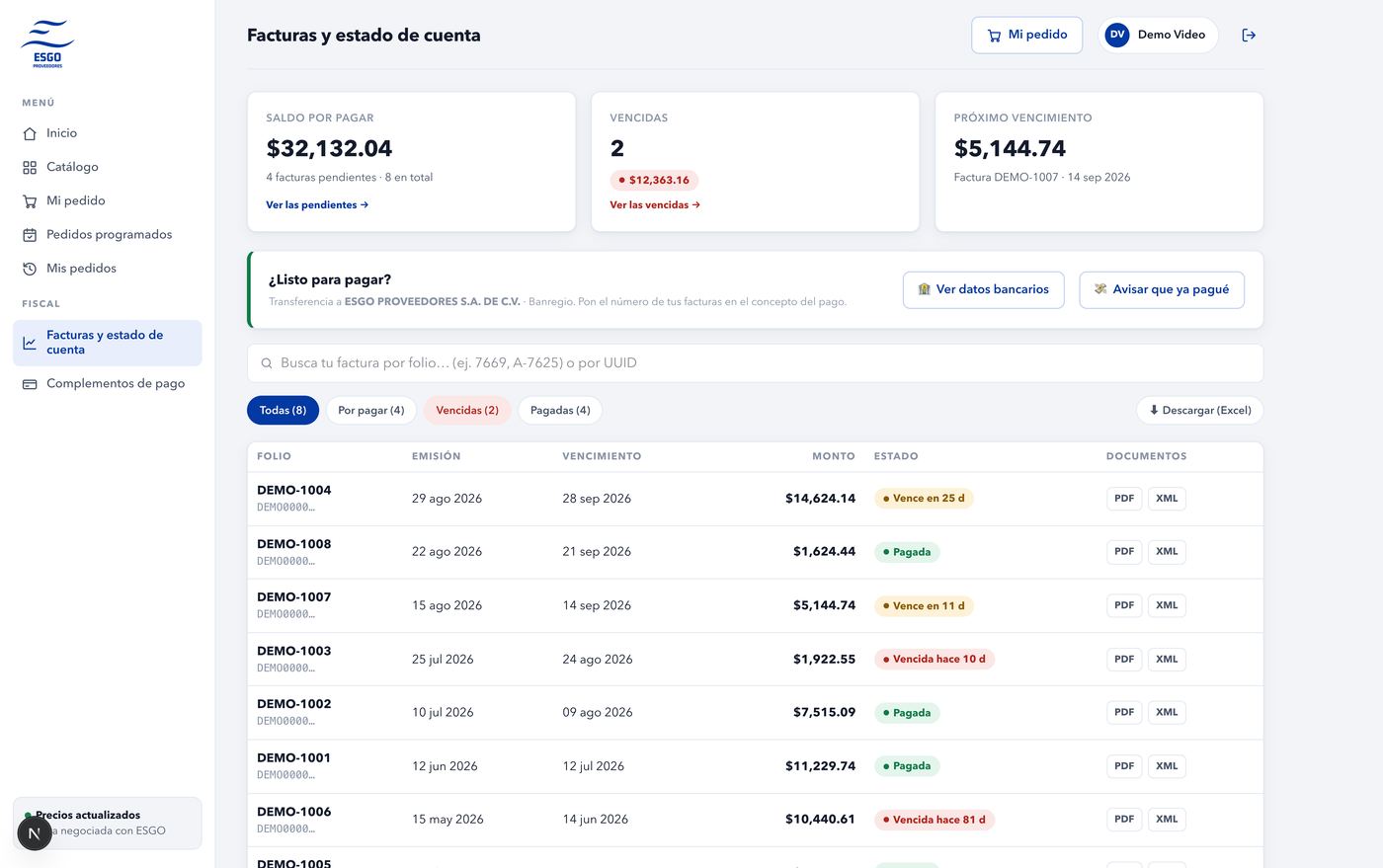
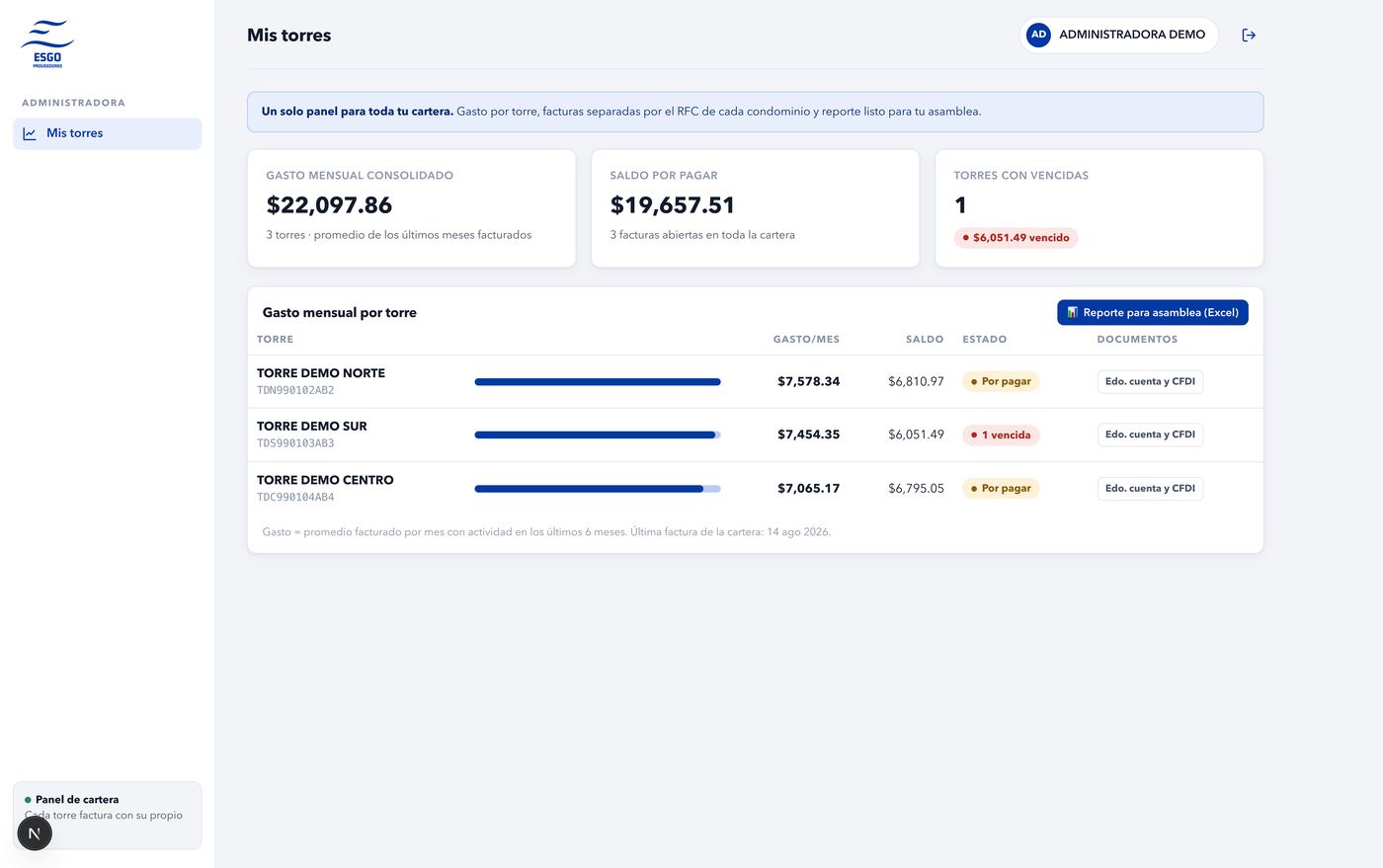
I rebuilt order histories from customer tax invoices. The portal supports reordering, invoice downloads, account statements, scheduled orders, and multiple properties.
I matched the DENUE business registry against existing customers to rank opportunities and generate a weekly list with a rationale for each prospect.
I built sector landing pages, captured lead sources through UTM parameters, and created a CRM for follow-up and acquisition measurement.
PRODUCT EVIDENCE
Actual interfaces. Fictional demo-account data.
METHOD AND TOOLS
The difficult part was translating a real distributor’s rules into software. Customers have different negotiated prices and agreements; a single public price list would not represent how the business works.
I defined the requirements, business rules and data checks, then used AI coding tools to build and iterate. I tested the workflows in production with real customers. The ERP remained read-only through reports; account prices came from the current negotiated list, with row-level security and invoice-issuer validation checked before access was granted.
This is where my creative and engineering interests meet: deciding what should exist, building it, checking how it behaves, and improving the experience around it.
SEPTEMBER 2026 SNAPSHOT
In production, pilot with key accounts; launch promotion active.
An automated weekly list of 20 prospects with a rationale for each, plus additional branches of existing customers.
Tracked valid leads and spending across three advertising platforms.
Figures copied from the September 2026 case source. Identified opportunities are not realized business results.
Building a functioning portal is not the same as getting customers to use it. Adoption is growing, but helping customers fit it into their ordering routines remains an active part of my work.
The September snapshot recorded 60 customers with access, 52 with reorderable history. These describe pilot availability, not active use or repeat orders. I am not presenting an unverified adoption rate or time-saving claim.
The next measures are actual portal orders, repeat use and the effort needed to complete an order. They will show whether the tool is becoming useful in day-to-day operations.